−15%
 −15%
 −15%


Vanilla Pompona


 New Caledonia


Vanilla pompona from New Caledonia
Singular and expressive. Ripe strawberry, fresh banana, a touch of aniseed, a delicate floral note, a hint of cinnamon. Complexity intact when used cold.


 Peru


Vanilla pompona from Peru
Intense and wild. Notes of tobacco, tonka, leather and red berries. Pronounced bitterness in the skin. Stands up very well to cooking.


 Madagascar


Vanilla pompona Tsy Taitry from Madagascar
A plump bean with distinctive aromas of candied fruit and black olive. Thick, oily texture; a rare and complex profile.


 Martinique


Vanilla pompona split from Martinique
Concentrated indulgence. Amarena cherry, candied apples, raspberries, honey and hints of licorice. Tender skin, concentrated in aromas.


 Mexico


Vanilla pompona from Mexico
Wild and indulgent. Floral, buttery, fruity notes, subtle hints of olives and apples. A taste so expressive that you can enjoy it on its own.


 Brazil


Vanilla pompona from Brazil
A wild treasure. Immediate aromatic power: floral notes of jasmine, tarte Tatin and a light hint of aniseed.


Peru

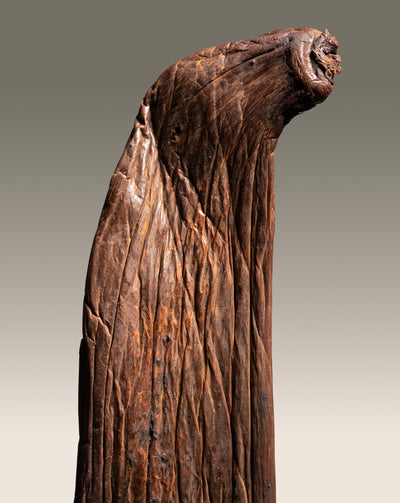
Vanilla fresh pompona from Peru
A rare variety from the Andes at 800m altitude. Called “Sekut” by the Indigenous people. Naturally pollinated by bees. Rich aroma, exceptional terroir.


 Colombia

On orders from 45 €

Several secure payment methods

We guarantee optimal quality for every vanilla

A question?
contact@galand-vanille.com
The Galand Vanille guide
Vanilla Pompona
Vanilla pompona, nicknamed “banana vanilla”, fascinates with its large, plump beans, full of caviar. Rarer than its cousins, it offers a powerful and original aromatic profile: licorice, candied fruit, indulgent and woody notes. At Galand Vanille, this exceptional vanilla bean is hand-selected by Paul Galand, direct from the growers, then tasted with the same care as all our vanilla beans.
What is vanilla pompona?
Vanilla pompona Schiede is one of the few vanilla orchid species cultivated for their fruit, alongside planifolia and tahitensis. On the vine, it is recognizable at first glance: its leaves are noticeably wider and thicker than those of its cousins, its growth more vigorous, and its short, swollen, plump beans resemble a small banana — hence its nickname. Its native range stretches from the Caribbean to northern South America, where it still often grows wild or semi-wild.
On the palate, pompona is unlike any other vanilla: less “vanilla-like” in the classic sense of the term, it unfolds aromas of licorice, candied fruit and tonka bean, carried by particularly abundant caviar.
Our pompona vanilla beans: 7 origins
Our catalog brings together seven pompona origins, each tasted and selected by Paul Galand — a collection that, to our knowledge, you will not find at any other French vanilla sourcer:
- Pompona from New Caledonia: ripe strawberry, banana, cinnamon — the fruitiest and most approachable.
- Tsy Taitry from Madagascar: candied fruit and licorice, the little-known pompona of the Great Island.
- Wild pompona from Peru “Sekut”: tobacco, tonka, leather, red berries, with its coumarin naturally crystallized on the surface.
- Pompona from Martinique: amarena cherry, candied apples, raspberries, honey, licorice.
- Pompona from Brazil: indulgent and woody notes, all roundness.
- Pompona from Mexico: licorice and woody notes, at the heart of the species’ native range.
- Pompona from Colombia: candied fruit and an indulgent profile, from a very small harvest.
Why is pompona so rare?
Pompona remains marginal on the world vanilla market, and for good reasons. Like all vanillas, its flower must be hand-pollinated, flower by flower; its thick beans then require, according to the standards of the trade, several weeks to several months of curing, and green vanilla loses a large part of its weight during preparation. Above all, volumes are tiny: our pompona from Martinique represents less than 1 kg of production per year — which explains its exceptional price — and the one from Colombia less than 2 kg per year. At this scale, every bean counts, and an origin can disappear from the catalog for a season.
The 7 origins at a glance
| Origin | Dominant notes | Character |
|---|---|---|
| New Caledonia | Ripe strawberry, banana, cinnamon | Fruity, sunny, ideal for a first discovery |
| Madagascar (Tsy Taitry) | Candied fruit, licorice | The Malagasy curiosity |
| Peru “Sekut” | Tobacco, tonka, leather, red berries | Wild, crystallized coumarin |
| Martinique | Amarena cherry, candied apples, raspberries, honey, licorice | Production under 1 kg per year |
| Brazil | Indulgent and woody notes | Round and generous |
| Mexico | Licorice, woody notes | In the cradle of the species |
| Colombia | Candied fruit, indulgent profile | Production under 2 kg per year |
How to use vanilla pompona?
Its aromatic power and generous caviar make it a vanilla of character, which comes into its own in dairy preparations: creams, ganaches, ice creams, rice pudding. Split the bean, scrape out the caviar and let everything infuse while hot. It also works wonders in infused rum (rhum arrangé), where its notes of licorice and candied fruit unfold slowly, and it surprises in savory cooking, with white fish or a creamy sauce. A single bean is often enough where you would use two of another species. To go further, see our guide which vanilla for which recipe.
Texture and curing
The pompona we offer are gourmet grade: supple, plump, glossy beans with generous moisture. It is this texture that keeps the caviar creamy and lets the aromas continue to develop. Stored away from light and air, they improve for months — find all our advice in our guide to storing your vanilla beans properly.
Discover more
If the unusual profiles of pompona appeal to you, continue exploring with our tahitensis vanillas with their floral and aniseed notes, or with our frosted vanilla collection, whose natural vanillin crystals on the surface signal exceptional aromatic concentration.
Frequently asked questions
What is the difference between pompona vanilla and Bourbon vanilla?
They are two distinct botanical species. Bourbon vanilla from Madagascar (planifolia) develops an indulgent, buttery profile, with chocolate and caramel; pompona, rarer and plumper, plays on licorice, candied fruit and tonka. Two complementary worlds rather than competitors.
Why is it called “banana vanilla”?
Because of its shape: the pompona bean is short, thick and swollen, with abundant flesh reminiscent of a small banana. It has nothing to do with its taste, which remains that of a great vanilla.
Which pompona should you choose to start with?
The pompona from New Caledonia, with its notes of ripe strawberry, banana and cinnamon, is the most immediate. Lovers of intense profiles will go straight to the Sekut from Peru and its notes of tobacco, leather and tonka.