−15%
 −15%
 −15%


Vanilla for creams and flans
Crème brûlée, flan, crème anglaise or rice pudding: round, indulgent vanillas, recommended by Paul Galand to give your dairy desserts deep flavor.
The four chosen by Paul


 Madagascar
Ideal forCreams, flans, caramels


Vanilla planifolia Bourbon from Madagascar
Intense and generous, with a rich aromatic profile: indulgent, buttery notes, chocolatey and caramelized nuances, with a hint of ripe fruit reminiscent of plum.


 Tanzania
Ideal forCrèmes anglaises, pastry creams, ganaches


Vanilla planifolia from Tanzania
Very vanilla-rich, broad and deep. Notes of leather, red berries and caramel with a lovely roundness on the palate.


 Mexico
Ideal forCrèmes anglaises, rice pudding, flan


Vanilla planifolia from Mexico
Intensely chocolatey, a typically Mexican profile: chocolate, walnut, nutmeg, ripe red berries, a hint of bitterness in the background. Beans loaded with essential oils.


 French Polynesia
Ideal forCreams and flans, panna cotta


Vanilla tahitensis from Tahiti Tahaa
A floral, aniseed bouquet, notes of prune and sweet almond lifted by monoï. A supple, fragrant bean.
All vanillas for creams and flans


 PAPUA NEW GUINEA


Vanilla tahitensis from Papua New Guinea
Mild and intensely floral. Notes of tropical flowers and anise, with a chocolatey, slightly spicy background. Finesse and complexity rather than power.


 India


Vanilla Planifolia from India
A singular aromatic power, both vanilla-rich and woody, with forest-floor nuances. Notes of leather and chocolate, a herbaceous touch.


 New Caledonia


Vanilla pompona from New Caledonia
Singular and expressive. Ripe strawberry, fresh banana, a touch of aniseed, a delicate floral note, a hint of cinnamon. Complexity intact when used cold.


French Polynesia


Vanilla tahitensis haapape from Tahiti Raiatea
A captivating aroma of bitter almond and cherry, with aniseed and plum nuances. A supple bean with a waxy texture.


 Brittany
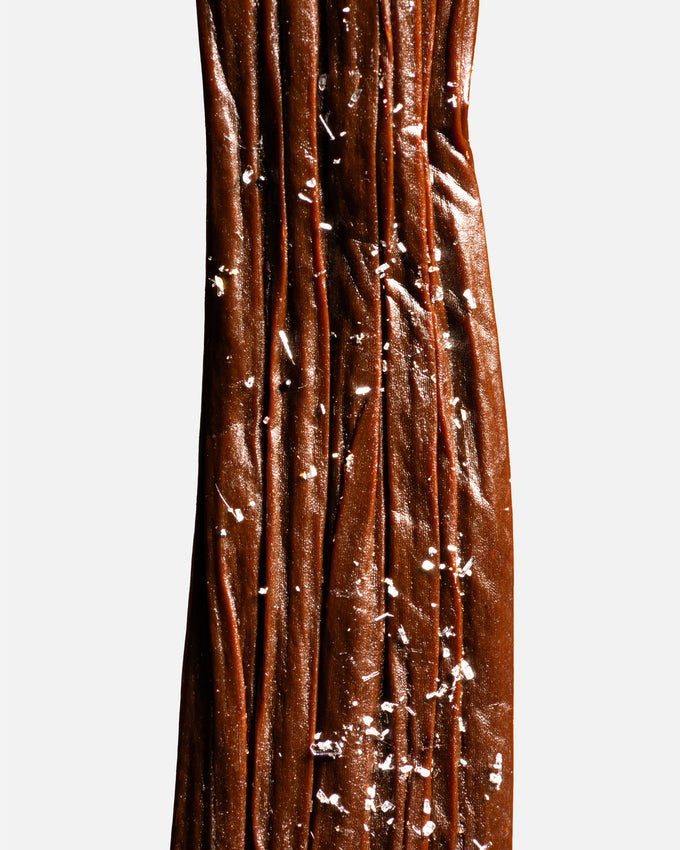
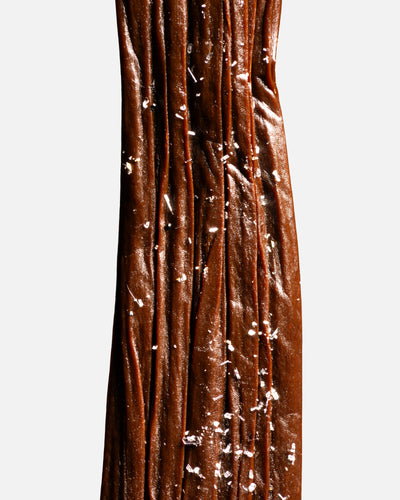
Vanilla planifolia frosted from Brittany
Very rare, first vintage. Brown, oily, rich in vanillin. A woody, intensely vanilla base with notes of salted butter. All in balance, with remarkable length on the palate.


New Caledonia


Vanilla planifolia frosted from New Caledonia
Record vanillin content (~4%). A clean, precise, bright profile. Vanilla caramel, mild coffee, ripe cherry, black tea, raisin, then floral notes on the finish.


 São Tomé


Vanilla planifolia from São Tomé
A clean, smooth attack, classic vanilla notes merged with deep hints of pure cocoa and dried fruit. Oily, supple texture.


Tanzania

Paul’s selection · −15%
Until Sunday night, on all sizes.
Discount applied automatically in your cart; cannot be combined with a promo code.

Vanilla planifolia split frosted from Tanzania
Dense and concentrated. Clear notes of marshmallow, sweet spices and red berries (strawberries, blackberries). Rich in essential oils, naturally oily, high vanillin content.


 Réunion


Vanilla planifolia frosted from Réunion
Powerful, structured aromatics: spicy notes, muscovado sugar, red berries. A marked and lingering vanilla presence. Natural crystallization on the surface.


 Martinique


Vanilla pompona split from Martinique
Concentrated indulgence. Amarena cherry, candied apples, raspberries, honey and hints of licorice. Tender skin, concentrated in aromas.


Mexico


Vanilla pompona from Mexico
Wild and indulgent. Floral, buttery, fruity notes, subtle hints of olives and apples. A taste so expressive that you can enjoy it on its own.


 Brazil


Vanilla pompona from Brazil
A wild treasure. Immediate aromatic power: floral notes of jasmine, tarte Tatin and a light hint of aniseed.
FAQs
Which vanilla varieties do you offer?
We source 19 origins covering the main vanilla species: planifolia (known as Bourbon), the most famous, with indulgent, cocoa-like notes; tahitensis, floral and aniseed, emblematic of Tahiti; pompona, rare and powerful, nicknamed “banana vanilla”; and extremely rare species — cribbiana, bahiana, chamissonis, sotoarenasii, odorata — found nowhere else.
To choose according to your taste, see our guide to the varieties or let our quiz guide you.
What is the difference between Bourbon vanilla and Tahitensis vanilla?
Vanilla planifolia Bourbon from Madagascar is very rich in vanillin, with warm, woody notes. Tahitensis, which contains almost no vanillin, is more floral and offers subtler, more exotic aromas. Each variety has its own personality!
Are the vanilla beans sustainably grown?
Yes. We work exclusively with growers committed to practices that respect the environment and local communities — this is the heart of our direct-from-growers approach, told in our story.

On orders from 45 €

Several secure payment methods

We guarantee optimal quality for every vanilla

A question?
contact@galand-vanille.com
The Galand Vanille guide
Vanilla for creams and flans
advice from Paul Galand
In these desserts, vanilla is almost the only flavor. Paul Galand, founder of Galand Vanille and vanilla sourcer, has chosen four.
Which vanilla for a crème brûlée, a flan or a crème anglaise?
- Bourbon from Madagascar: buttery, chocolatey, caramelized, with a hint of plum. Its roundness holds up to cooking: the benchmark for crème brûlée, also ideal for flans and caramels.
- Planifolia from Tanzania: very vanilla-forward, leather and red berries, bolder than the Madagascar. For a pastry cream or a crème anglaise with character.
- Planifolia from Mexico: intensely chocolatey, walnut and nutmeg, in beans over 18 cm long that are rich in caviar. For crème anglaise, flan, rice pudding.
- Tahitensis from Tahaa: floral, aniseed, prune and almond. “It’s my grandmother’s vanilla, the one in her rice puddings and her crème caramels,” Paul confides. Infuse it cold; it is also perfect in panna cotta.
How many vanilla beans for 50 cl of milk or cream?
- Crème anglaise, pastry cream: 1 bean for 50 cl of milk.
- Crème brûlée: 1 bean for 50 cl of cream (4 to 6 ramekins).
- Flan, rice pudding: 1 bean for 75 cl to 1 liter of milk.
For a stronger taste, add half a bean. Served very cold, a dessert needs about 50% more vanilla.
How to infuse a vanilla bean in a cream?
Split the bean, scrape out the caviar, then add the caviar and the bean to the milk or cream: the bean holds a large part of the aromas. Hot, off the heat and covered: 10 to 15 minutes, up to 30 minutes for a crème anglaise. Cold, allow 24 to 48 hours in the refrigerator: ideal for tahitensis. Never let it boil: a crème anglaise is cooked until it coats the spoon, between 82 and 84 °C. Details in our crème anglaise recipe.
Rinsed and dried, the bean can then flavor a jar of sugar or the milk for your next rice pudding. Store your beans in an airtight glass tube, away from light, never in the refrigerator.
Which vanilla for rice pudding?
The Madagascar remains the most versatile for everyday dairy desserts. For variety: the tahitensis from Raiatea, cherry, almond and anise, for a cold-infused rice pudding; the pompona from Brazil, jasmine and tarte Tatin, for a distinctive rice pudding or flan; the frosted vanilla from Brittany, with its milky roundness, for a traditional crème brûlée.
Since ice cream is simply a churned crème anglaise, see also our vanilla for ice cream; to get started, our vanilla for beginners and our selection of pastry must-haves.