−15%
 −15%
 −15%


Rare species


 Guatemala


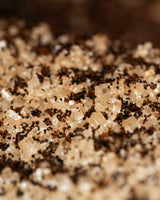
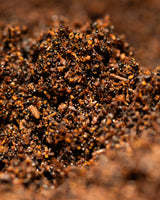
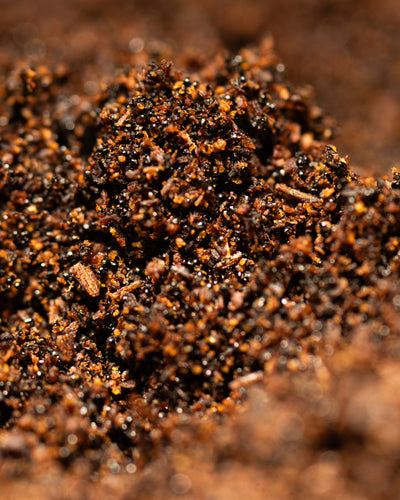
Vanilla cribbiana from Guatemala
Used by the Maya, lost for 400 years, rediscovered. First plantation created by Dario Ramirez from wild varieties. Immense gastronomic potential.


 Ecuador
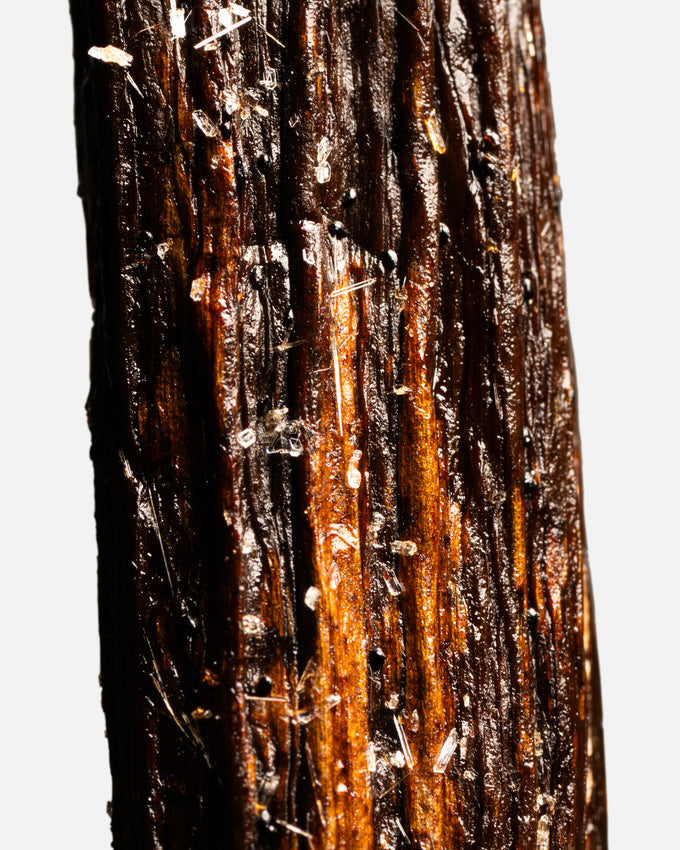
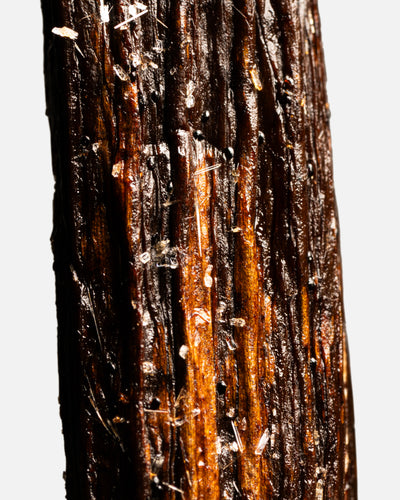
Vanilla Odorata from Ecuador
Wild and extremely rare (<1% of world production). Richer in caviar than Planifolia. Unique aromatic complexity.


 Colombia
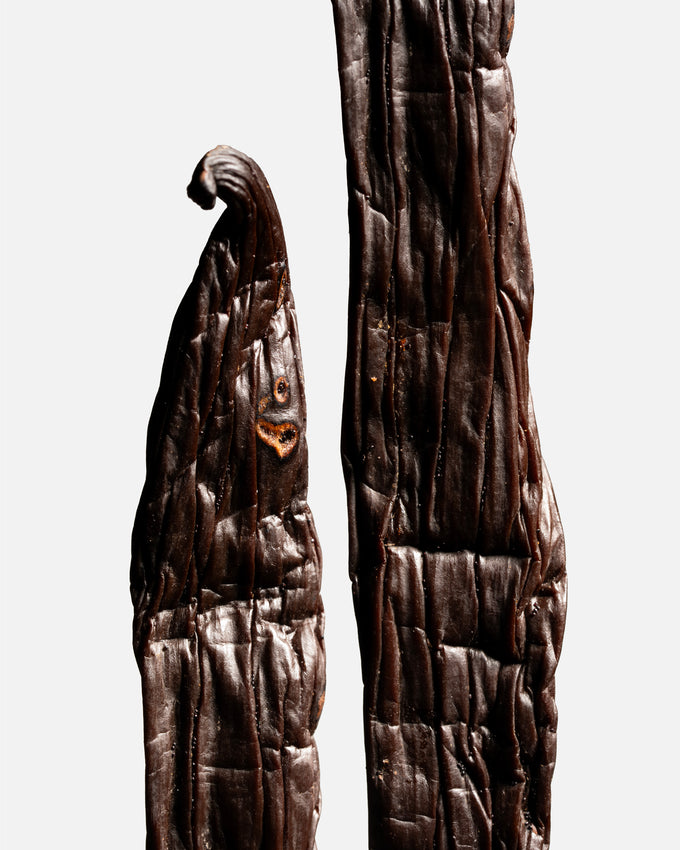
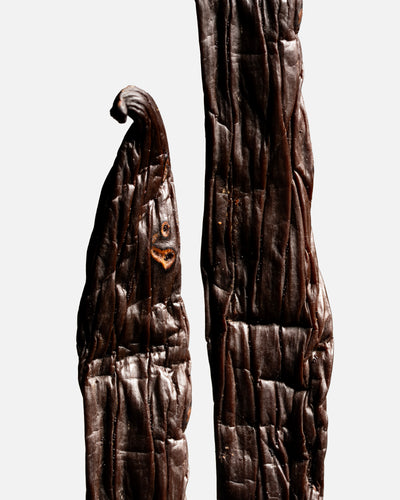
Vanilla sotoarenasii from Colombia
A wild vanilla from the forests of Chocó, naturally pollinated by endemic bees. Smaller but wider beans, less stringy skin.


 Brazil


Vanilla bahiana from Brazil
Extraordinary aromatic and flavor power. Intense red-ochre essential oil. One of the most aromatic vanillas to date.


Brazil
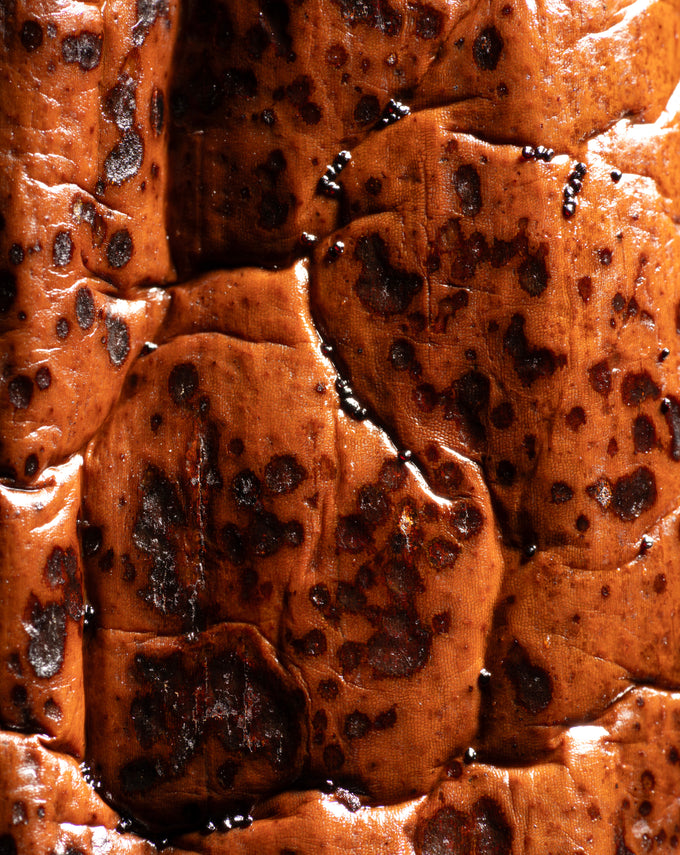
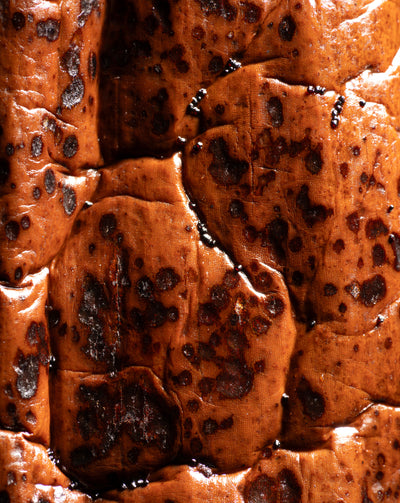
Vanilla Chamissonis from Brazil
A unique species from the Mata Atlântica, one of the rarest in the world. The largest beans (up to 60g after curing). Complex aroma.

On orders from 45 €

Several secure payment methods

We guarantee optimal quality for every vanilla

A question?
contact@galand-vanille.com
The Galand Vanille guide
Rare species
Five species almost nobody grows
When people talk about vanilla, they almost always mean three species: Planifolia, Tahitensis and Pompona. Planifolia alone accounts for around 95% of world production. The rest of the genus Vanilla — more than a hundred species — practically never reaches a kitchen.
It is this rest that we went looking for: five wild or nearly vanished species, selected by Paul Galand, some of which are grown at only a few kilograms a year.
Why these vanillas are rare
There is nothing commercial about their rarity: it is botanical. Chamissonis needs more than two years for its fruit to ripen, and the orchid drops its fruit as soon as it is moved. Bahiana is produced at only around one kilogram a year. Odorata accounts for less than 1% of world production. As for Cribbiana, it had disappeared from cultivation for more than four centuries, since the end of the Maya civilization.
Several of them still grow in the wild, pollinated by endemic bees and hummingbirds, their vines climbing the trees of the tropical forest.
Our five rare species
Cribbiana from Guatemala — Short, stocky beans, notes of green bell pepper, caramel and candied fruit, with hints of rum and panettone when infused. Used by the Maya, rediscovered in the wild and brought back into cultivation after seven years of work.
Sotoarenasii from Colombia — Apple, plum, peach, aniseed and floral notes, a touch of tonka bean. Its skin, barely fibrous, lets you eat the whole bean. Harvested in Bahía Solano, on the Pacific coast, where making the most of it offers an alternative to deforestation.
Bahiana from Brazil — Probably the richest in caviar of all species. Dried chili, blue cheese, wood, muscovado sugar, walnut, and an almost minty freshness. Its ochre-red essential oil is the mark of its power.
Odorata from Ecuador — Smoke, pepper, blond tobacco, matcha, chocolate, cherry. Infused in milk, it evokes a square of melted white chocolate. Like Planifolia, it gradually frosts.
Chamissonis from Brazil — One of the largest vanillas in the world: some beans exceed 60 g after curing. Fresh almond, clove, black lemon, black cherry. Its tender skin can be eaten as is, almost like a candy.
How to use them
Like any vanilla: split, scrape, infuse. But these species can take — and deserve — to be treated as ingredients in their own right rather than as a mere flavoring. Cribbiana pairs with citrus or an unusual ice cream; Odorata stands up to red meat; Sotoarenasii and Chamissonis can be eaten whole.
To place these species in relation to the three classics, read our comparison Bourbon, Tahitensis or Pompona, and to preserve such rare beans, our storage guide.