−15%
 −15%
 −15%


✓
Native
 Mexico
 Mexico


- 1 bean: 11,00€
- 5 beans: 52,50€ (10,50€ per bean)
- 10 beans: 100,00€ (10,00€ per bean)
- 20 beans: 180,00€ (9,00€ per bean)
1


Vintage2024/2025
TerroirVeracruz
Curing6-12 months / scalded > sun-dried
Moisture30 %
Noteschocolate, nutmeg, walnut
Ideal forCrème anglaise, ganaches, rice pudding, flan, red meat in savory dishes
Mexico
Vanilla planifolia from Mexico
V. planifolia — Vintage 2024/2025
A vanilla with character
Intensely chocolatey, the planifolia vanilla from Mexico Veracruz reveals a typically Mexican profile: chocolate, notes of walnut and nutmeg, ripe red berries, with a hint of bitterness in the background.
This vanilla offers very long beans of more than 18cm, well filled with vanilla caviar. The beans are loaded with essential oils, hence its aromatic power.
This vanilla will go very well in your crème anglaise, ganaches, rice pudding, flan, etc. It will also surprise your taste buds in savory dishes, with red meat for example.
The wild cradle of vanilla
In the valley and hills of Usila, in the heart of the Chinantla jungle, in the state of Oaxaca, vanilla still grows in the wild. Here Vanilla planifolia and Vanilla pompona grow naturally, entwined with citrus trees, banana plants and tall tropical trees such as caoba.
The ancient name of these lands, Huitzila, “place of hummingbirds”, says it all. The flowers are pollinated by hummingbirds and small local bees. Each bird fertilizes only a few flowers per cluster, often the three most vigorous, ensuring concentrated beans with fine aromatic density.
A founding history
Mexico is the original cradle of vanilla. Before the mid-19th century, all the world’s vanillas came from its forests. The Aztecs already used tlilxochitl, the “black pod”, to perfume cocoa and ritual drinks. It was offered in tribute to the emperor Moctezuma II and was also used as a perfume, mixed with mamey seed oil to anoint the hair.
In 1521, Hernan Cortes brought vanilla back to Europe. It appeared in France in 1664 and won over Louis XIV, who tried to develop its cultivation on Bourbon Island (today Réunion).
For a long time, however, only natural pollination made production possible. Around 1850, the Belgian naturalist Charles Morren studied the fertilization mechanism, soon made accessible thanks to the decisive gesture of Edmond Albius, who developed hand pollination.
Despite this prestigious history, current production in Chinantla remains modest. The terroir is demanding, the forest dense. But the quality of the beans is remarkable.
A word from Paul Galand
“For me, it was essential to have a Mexican vanilla rich in history. This one perfectly embodies the original Mexican vanilla, with its very chocolatey, deep notes. It is a warrior’s vanilla.
In the past, the Aztecs drank a powerful, almost sacred hot chocolate. Today I recreate this drink with water, 100% chocolate, and a whole bean of this vanilla.
With this vanilla, I rediscover the strength and purity of the ancestral drink of the Aztec communities.”
Characteristics
VarietyV. planifolia
Harvest2024 - 2025
TerroirVeracruz
Curing6-12 months / scalded > sun-dried
Moisture30 %
Weight+4 g
PackagingZip pouch
Aromatic noteschocolate, nutmeg, walnut
A word from Paul“For me, it was essential to have a Mexican vanilla rich in history. This one perfectly embodies the original Mexican vanilla, with its very chocolatey, deep notes. It is a warrior’s vanilla. In the past, the Aztecs drank a powerful, almost sacred hot chocolate. Today I recreate this drink with water, 100% chocolate, and a whole bean of this vanilla. With this vanilla, I rediscover the strength and purity of the ancestral drink of the Aztec communities.”
Paul Galand
Verified reviews
4.7
3 reviews of this vanilla
Across the whole shop: excellent 4.9 from more than 4,500 orders.
A selection of the most detailed 4- and 5-star reviews.Reviews of this vanilla, supplemented by 4- and 5-star reviews of vanillas from the same family.A selection of the most detailed 4- and 5-star reviews of vanillas from the same family.
They talk about us









The guide to this vanilla
Vanilla from Mexico, Veracruz: the cradle of all vanillas
Mexico is the original cradle of vanilla. Before the mid-19th century, all the world’s vanillas came from its forests. This vanilla from Mexico reveals an intensely chocolatey profile, with notes of walnut and nutmeg, ripe red berries and a hint of bitterness.
01
A founding history, from the Aztecs to Albius
The Aztecs already used tlilxochitl to perfume cocoa; it was offered to the emperor Moctezuma II. In 1521, Hernán Cortés brought it back to Europe; it appeared in France in 1664. Then came the decisive gesture of Edmond Albius, who developed hand pollination around 1850.
02
The wild cradle of Chinantla
In the Usila valley, in the heart of the Chinantla jungle (state of Oaxaca), vanilla still grows in the wild, pollinated by hummingbirds and small local bees.
03
Large beans full of caviar
These beans are very long — more than 18 cm — and well filled with caviar, loaded with essential oils.
How to use it
- 1Split these long beans full of caviar.
- 2Infuse in pastry (crème anglaise, ganache, rice pudding, flan); for a cold infusion, allow 24 to 48 h.
- 3Dare to go savory: a red meat, surprised by its chocolatey depth.
Storage
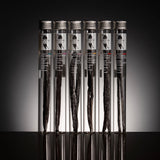
Long, supple bean: store it in an airtight glass tube, away from light and heat.
Until the mid-19th century, all the world’s vanilla came from its forests.
An intensely chocolatey profile, with walnut, nutmeg and red berries.
Their length (+18 cm) and their richness in caviar give them fine power.
Would you like a custom quote? Email us: paul@galand-vanille.com
Rare vanillas grown with passion and expertise
The Galand Vanille commitment
 01
Selection and curing
At Galand Vanille, there is no such thing as a “lesser vintage”. Every vanilla bean is the result of the passionate work of growers from around the world. We keep only the most remarkable beans, rich in flavor. Paul Galand then tastes every batch to guarantee exceptional vanilla.
 02
Direct from Growers & Ethics
We cut out the middlemen to guarantee two things: full traceability for you, and fair pay for the grower. Our partners grow vanilla in harmony with natural cycles, without chemicals, for absolute aromatic purity.
 03
Grand Cru Vanilla
Every Grand Cru Vanilla bean is selected for its organoleptic quality — unique shape, color, moisture and aromatic profile. Vintage-dated so they can evolve as they keep, our beans can crystallize naturally and develop new aromas after years. Ideal for fine pastry and perfumery, they guarantee pure, natural and exceptional vanilla.
More to discover
Other stops
 Native
MexicoVeracruzVanilla pompona from MexicoThe other species from the same cradle, wilder.★ 5.0 (5 reviews)
From 12,00€ /bean
Discover →
 São ToméVolcanicVanilla planifolia from São ToméAnother very chocolatey planifolia.★ 5.0 (8 reviews)
From 15,00€ /bean
Discover →
 Native
GuatemalaCobánVanilla cribbiana from GuatemalaA historic variety from Central America.★ 4.9 (12 reviews)
From 10,00€ /bean
Discover →
 MadagascarSambavaVanilla planifolia Bourbon from MadagascarOur customers’ favorite.★ 5.0 (101 reviews)
From 4,50€ /bean
Discover →
 FREE DELIVERY
Pickup point 4 € · Free from 45 €
Home delivery 6,90 € · Free from 80 €
 SECURE PAYMENT
Several secure payment methods
 QUALITY GUARANTEE
We guarantee optimal quality for every vanilla
 CUSTOMER SERVICE
A question?
contact@galand-vanille.com