−15%
 −15%
 −15%


Vanilla for savory cooking
In a savory dish, vanilla acts like a spice: it rounds out, it highlights, it lingers on the palate. Paul Galand has selected for you the beans that best accompany scallops, roast poultry and foie gras.
The four chosen by Paul


 Peru
Ideal forRoast meats, full-bodied jus, foie gras


Vanilla pompona from Peru
Intense and wild. Notes of tobacco, tonka, leather and red berries. Pronounced bitterness in the skin. Stands up very well to cooking.


 Indonesia
Ideal forReduced jus, savory dishes


Vanilla planifolia split frosted from Indonesia Sulawesi
Volcanic power. Spiced red berries, orange peel, deep vanilla, muscovado sugar, smoky, almost leathery accents. Concentrated to the core.


 Brittany
Ideal forBeurre blanc for scallops
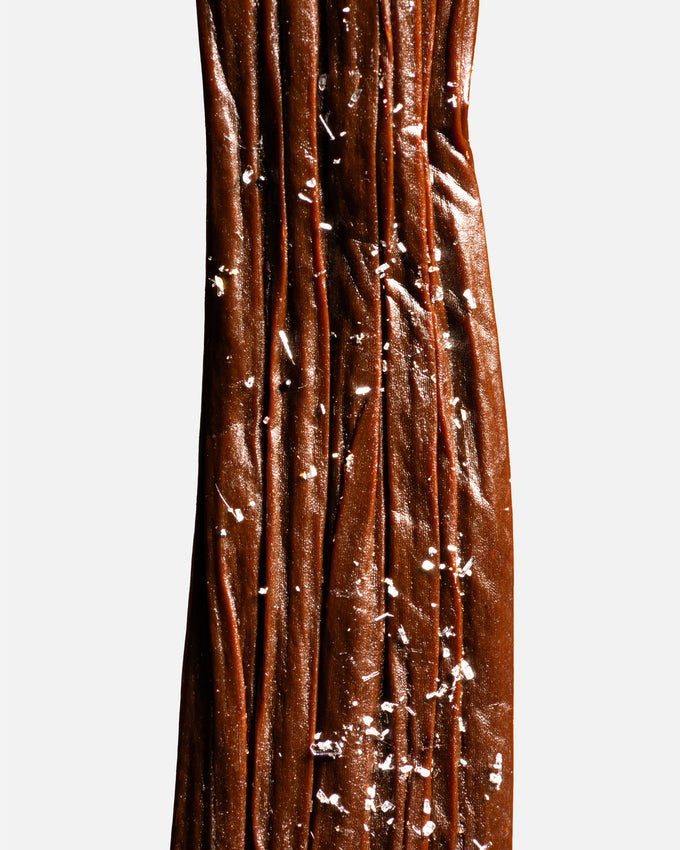
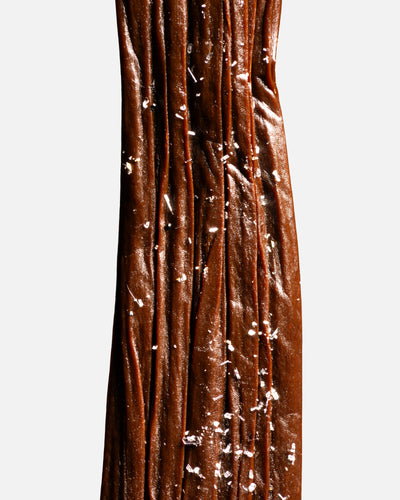
Vanilla planifolia frosted from Brittany
Very rare, first vintage. Brown, oily, rich in vanillin. A woody, intensely vanilla base with notes of salted butter. All in balance, with remarkable length on the palate.


 Mexico
Ideal forRed meat, savory


Vanilla planifolia from Mexico
Intensely chocolatey, a typically Mexican profile: chocolate, walnut, nutmeg, ripe red berries, a hint of bitterness in the background. Beans loaded with essential oils.
All vanillas for savory cooking


 Madagascar


Vanilla planifolia Bourbon from Madagascar
Intense and generous, with a rich aromatic profile: indulgent, buttery notes, chocolatey and caramelized nuances, with a hint of ripe fruit reminiscent of plum.


 Tanzania


Vanilla planifolia from Tanzania
Very vanilla-rich, broad and deep. Notes of leather, red berries and caramel with a lovely roundness on the palate.


 French Polynesia


Vanilla tahitensis from Tahiti Tahaa
A floral, aniseed bouquet, notes of prune and sweet almond lifted by monoï. A supple, fragrant bean.


Madagascar


Vanilla pompona Tsy Taitry from Madagascar
A plump bean with distinctive aromas of candied fruit and black olive. Thick, oily texture; a rare and complex profile.


 New Caledonia


Vanilla planifolia frosted from New Caledonia
Record vanillin content (~4%). A clean, precise, bright profile. Vanilla caramel, mild coffee, ripe cherry, black tea, raisin, then floral notes on the finish.


Tanzania

Paul’s selection · −15%
Until Sunday night, on all sizes.
Discount applied automatically in your cart; cannot be combined with a promo code.

Vanilla planifolia split frosted from Tanzania
Dense and concentrated. Clear notes of marshmallow, sweet spices and red berries (strawberries, blackberries). Rich in essential oils, naturally oily, high vanillin content.


 Réunion


Vanilla planifolia frosted from Réunion
Powerful, structured aromatics: spicy notes, muscovado sugar, red berries. A marked and lingering vanilla presence. Natural crystallization on the surface.


 Martinique


Vanilla pompona split from Martinique
Concentrated indulgence. Amarena cherry, candied apples, raspberries, honey and hints of licorice. Tender skin, concentrated in aromas.


Mexico


Vanilla pompona from Mexico
Wild and indulgent. Floral, buttery, fruity notes, subtle hints of olives and apples. A taste so expressive that you can enjoy it on its own.


 Brazil


Vanilla pompona from Brazil
A wild treasure. Immediate aromatic power: floral notes of jasmine, tarte Tatin and a light hint of aniseed.
FAQs
Which vanilla varieties do you offer?
We source 19 origins covering the main vanilla species: planifolia (known as Bourbon), the most famous, with indulgent, cocoa-like notes; tahitensis, floral and aniseed, emblematic of Tahiti; pompona, rare and powerful, nicknamed “banana vanilla”; and extremely rare species — cribbiana, bahiana, chamissonis, sotoarenasii, odorata — found nowhere else.
To choose according to your taste, see our guide to the varieties or let our quiz guide you.
What is the difference between Bourbon vanilla and Tahitensis vanilla?
Vanilla planifolia Bourbon from Madagascar is very rich in vanillin, with warm, woody notes. Tahitensis, which contains almost no vanillin, is more floral and offers subtler, more exotic aromas. Each variety has its own personality!
Are the vanilla beans sustainably grown?
Yes. We work exclusively with growers committed to practices that respect the environment and local communities — this is the heart of our direct-from-growers approach, told in our story.

On orders from 45 €

Several secure payment methods

We guarantee optimal quality for every vanilla

A question?
contact@galand-vanille.com
The Galand Vanille guide
Vanilla for savory cooking
advice from Paul Galand
Vanilla is not just for dessert: on fish, poultry or in a sauce, it adds fragrance without adding sweetness. You still need to choose the right bean and dose it precisely. Here are the vanillas that Paul Galand, founder of Galand Vanille and vanilla sourcer, has chosen for savory cooking.
How do you use a vanilla bean in a savory dish?
Split the bean lengthwise, then scrape out the caviar with the back of the blade. Infuse the bean and seeds in the cream, butter or stock, off the heat and covered: prolonged boiling drives off the finest aromas. For a jus or a reduced sauce, simply add a few seeds at the end of cooking.
Which vanilla for a beurre blanc, scallops or fish?
For a vanilla beurre blanc served with scallops, Paul chose the frosted vanilla from Brittany: grown in the Côtes-d’Armor, it offers notes of salted butter and a milky roundness, which comes through better in a gentle infusion than over high heat. With white fish or roast poultry, the frosted vanilla from New Caledonia accompanies without dominating, thanks to its floral character. More classic, the Bourbon from Madagascar flavors a vanilla butter for fish and shellfish.
Vanilla with meat and foie gras: which bean to choose?
A wild vanilla from the Amazon with notes of tobacco, tonka and leather, the pompona from Peru stands up very well to cooking: roast meats, rich jus and above all foie gras. Intensely chocolatey, the planifolia from Mexico is a surprising match for red meat. For a reduced jus or a sweet-and-savory pairing, the planifolia from Indonesia, harvested very ripe, brings spiced red berries, orange peel and smoky accents. Oily and concentrated, the frosted vanilla from Tanzania holds its own in a rich sauce or a beurre monté.
How much vanilla in a savory sauce?
- Sauce for 4 people: half a bean.
- Beurre blanc: half a bean of Brittany vanilla is enough, its length does the rest.
- Vanilla butter with Bourbon from Madagascar: a few seeds are enough.
- Pompona from Peru: seeds and skin are used together, sparingly. Its bitterness is pronounced, especially in the skin, and if you use too much, it overpowers the dish.
Don’t throw away the scraped bean: rinsed and dried, it will flavor a vanilla sugar or a homemade extract. Store your beans in an airtight glass tube, away from light, never in the refrigerator.
To go further, discover all our pompona vanillas, our selections for creams and flans and for homemade ice cream, or our guide to pairing vanillas with recipes.