−15%
 −15%
 −15%


Vanilla for beginners
You don’t need to be a pastry expert to cook with vanilla: you just need to choose your first beans well. Here are four vanillas selected by Paul Galand for beginners, and the simple techniques to get your first preparations right.
The four chosen by Paul


 Madagascar
Ideal forCreams, flans, caramels: the one Paul recommends to start with


Vanilla planifolia Bourbon from Madagascar
Intense and generous, with a rich aromatic profile: indulgent, buttery notes, chocolatey and caramelized nuances, with a hint of ripe fruit reminiscent of plum.


 PAPUA NEW GUINEA
Ideal forFloral and spicy, a surprising Tahitensis


Vanilla tahitensis from Papua New Guinea
Mild and intensely floral. Notes of tropical flowers and anise, with a chocolatey, slightly spicy background. Finesse and complexity rather than power.

Ideal forNo infusion: the whole bean as powder, measured by the gram
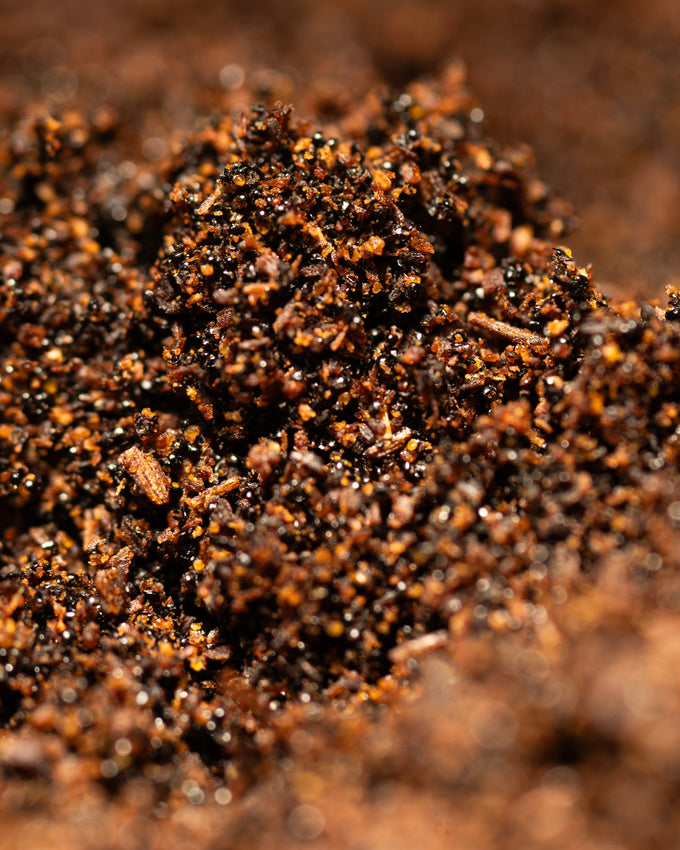
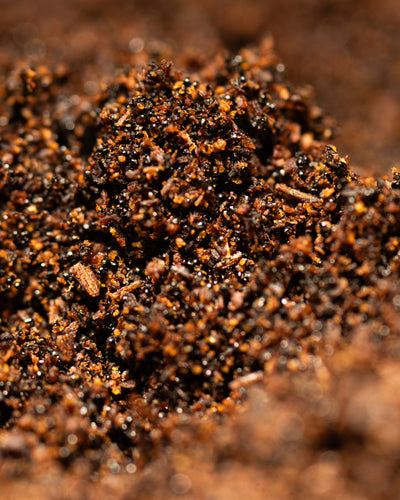
Vanilla powder
Whole Bourbon planifolia vanilla beans from Madagascar, ground: skin, pulp and seeds. No infusion needed: measure it by the gram.

Ideal forPerfect for beginners or gifting
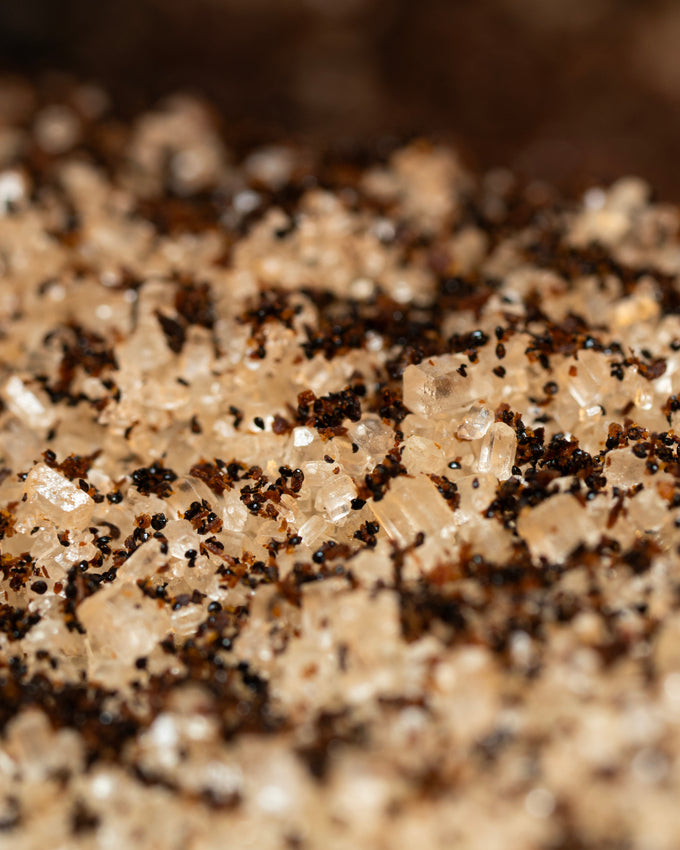
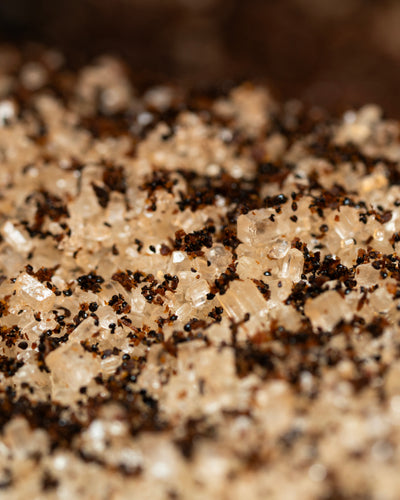
Vanilla sugar
A handcrafted multi-origin creation: Madagascar, Indonesia and Papua New Guinea. Organic cane sugar and whole ground vanilla beans.
All vanillas for beginners


 Tanzania


Vanilla planifolia from Tanzania
Very vanilla-rich, broad and deep. Notes of leather, red berries and caramel with a lovely roundness on the palate.


 India


Vanilla Planifolia from India
A singular aromatic power, both vanilla-rich and woody, with forest-floor nuances. Notes of leather and chocolate, a herbaceous touch.


GIFT BOX · 6 ORIGINS


The Pastry Chef’s Essentials Gift Box
6 vanillas · 11 beans
It’s the perfect gift for a curious food lover, a young pastry chef or anyone who wants to taste real vanilla for the first time.


 Ecuador


Vanilla Tahitensis from Ecuador
A soft, floral aroma evoking the tropical flowers of Ecuador. Notes of jasmine, olive oil, mirabelle plum, red berries, with a spicy gingerbread base note.

Paul’s selection · −15%
Until Sunday night, on all sizes.
Discount applied automatically in your cart; cannot be combined with a promo code.
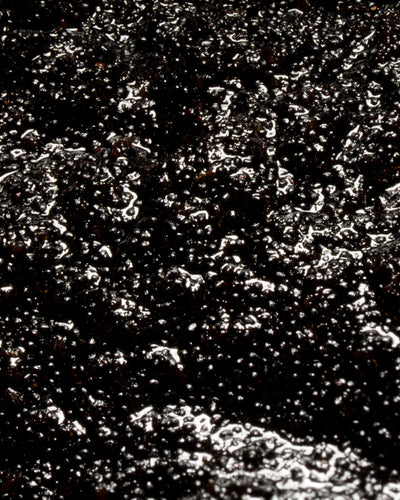
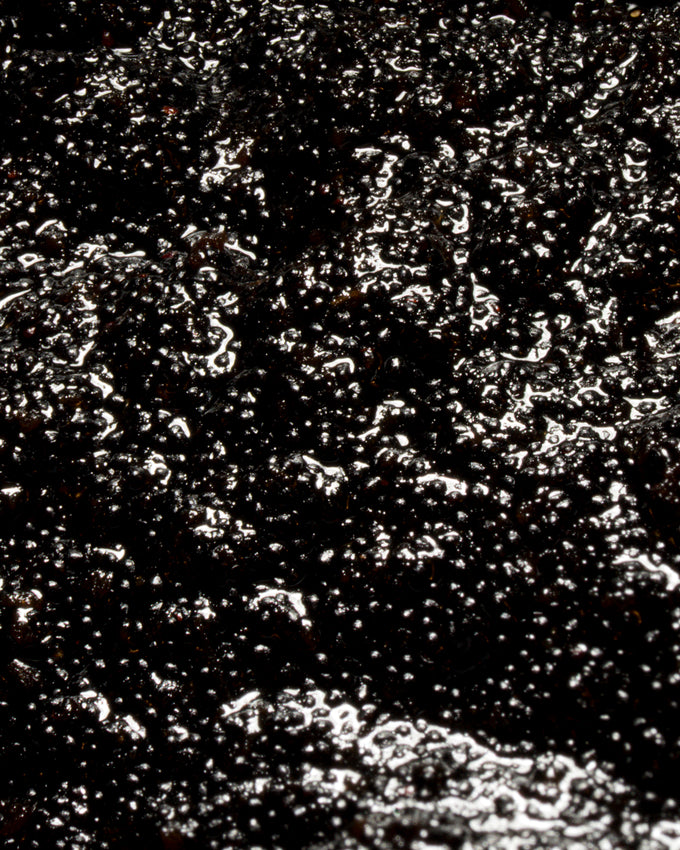
Vanilla caviar Bourbon from Madagascar
Ready-to-use Bourbon vanilla seeds from Madagascar, in a glass jar: the aroma of the bean without splitting or scraping it.
FAQs
Which vanilla varieties do you offer?
We source 19 origins covering the main vanilla species: planifolia (known as Bourbon), the most famous, with indulgent, cocoa-like notes; tahitensis, floral and aniseed, emblematic of Tahiti; pompona, rare and powerful, nicknamed “banana vanilla”; and extremely rare species — cribbiana, bahiana, chamissonis, sotoarenasii, odorata — found nowhere else.
To choose according to your taste, see our guide to the varieties or let our quiz guide you.
What is the difference between Bourbon vanilla and Tahitensis vanilla?
Vanilla planifolia Bourbon from Madagascar is very rich in vanillin, with warm, woody notes. Tahitensis, which contains almost no vanillin, is more floral and offers subtler, more exotic aromas. Each variety has its own personality!
Are the vanilla beans sustainably grown?
Yes. We work exclusively with growers committed to practices that respect the environment and local communities — this is the heart of our direct-from-growers approach, told in our story.

On orders from 45 €

Several secure payment methods

We guarantee optimal quality for every vanilla

A question?
contact@galand-vanille.com
The Galand Vanille guide
Vanilla for beginners
advice from Paul Galand
Cooking with a real vanilla bean for the first time? Paul Galand, founder of Galand Vanille and vanilla sourcer, has brought together the beans he recommends for getting started, along with the right techniques for using them.
Which vanilla should you choose as a beginner?
Start with Bourbon vanilla from Madagascar: it’s the one Paul recommends for a first bean. This planifolia from the Sava region offers buttery, chocolatey and caramelized notes, and its roundness holds up to cooking: creams, flans, caramels, baked pastries.
Once you feel confident, broaden your palette:
- the tahitensis from Papua New Guinea, floral, aniseed and lightly spiced, surprising in whipped cream or in a fruit dessert;
- the planifolia from India, powerful and woody, with notes of leather and chocolate, for ganaches and chocolate desserts;
- vanilla sugar, made with vanilla seeds from Madagascar, Indonesia and Papua New Guinea, which you use like any vanilla sugar in a cake, a yogurt or a hot drink.
Planifolia or tahitensis: which vanilla bean should you choose?
Rich in vanillin, planifolia is the indulgent, versatile vanilla, at ease in hot preparations. Lower in vanillin but rich in aniseed molecules, tahitensis brings floral notes and expresses itself best cold. To go further:
- the planifolia from Tanzania, from the volcanic soils of Kilimanjaro, bolder than Madagascar vanilla;
- the tahitensis from Ecuador, between jasmine, mirabelle plum and gingerbread.
To learn more, read our comparison Bourbon, Tahitensis or Pompona vanilla: which variety should you choose?
How do you use a vanilla bean as a beginner?
- Split the bean lengthwise with the tip of a knife, then scrape out the seeds, the “caviar”.
- Infuse seeds and bean in the milk or cream: 10 to 15 minutes off the heat and covered, or 24 to 48 h cold. Tahitensis vanillas prefer the cold, which preserves their aniseed notes.
- Measure: 1 bean for 500 ml to 1 liter of milk or cream, 1 bean for 500 g of flour, and 2 beans per liter for ice cream, because cold mutes vanilla.
- Keep the bean: rinsed and dried, it flavors a homemade vanilla sugar.
Store your beans in an airtight glass tube, away from light and heat, not in the refrigerator. Fine white crystals on the surface are not mold but crystallized vanillin, a sign of richness.
Have a specific recipe in mind? See our vanillas for creams and flans. Looking for a gift idea? Discover our vanillas for gifting, or compare all our vanillas.