−15%
 −15%
 −15%


Vanilla Tahitensis


 PAPUA NEW GUINEA
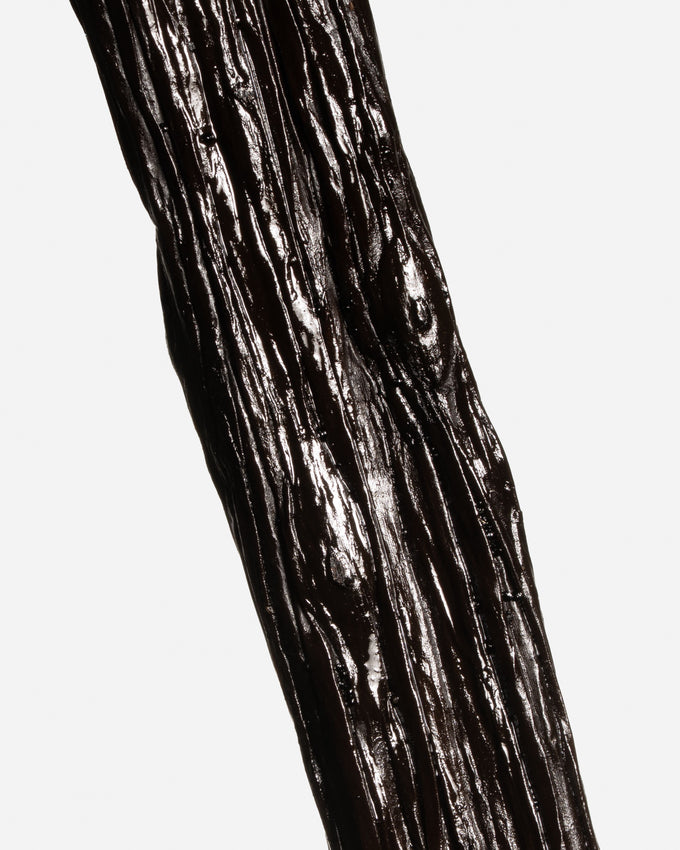
Vanilla tahitensis from Papua New Guinea
Mild and intensely floral. Notes of tropical flowers and anise, with a chocolatey, slightly spicy background. Finesse and complexity rather than power.


 French Polynesia
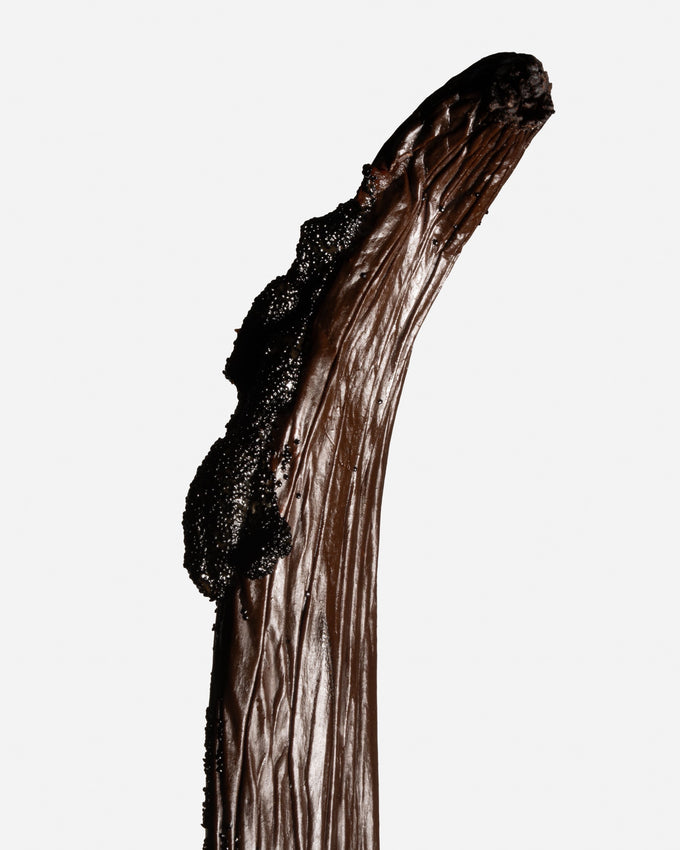
Vanilla tahitensis haapape from Tahiti Raiatea
A captivating aroma of bitter almond and cherry, with aniseed and plum nuances. A supple bean with a waxy texture.


 Ecuador
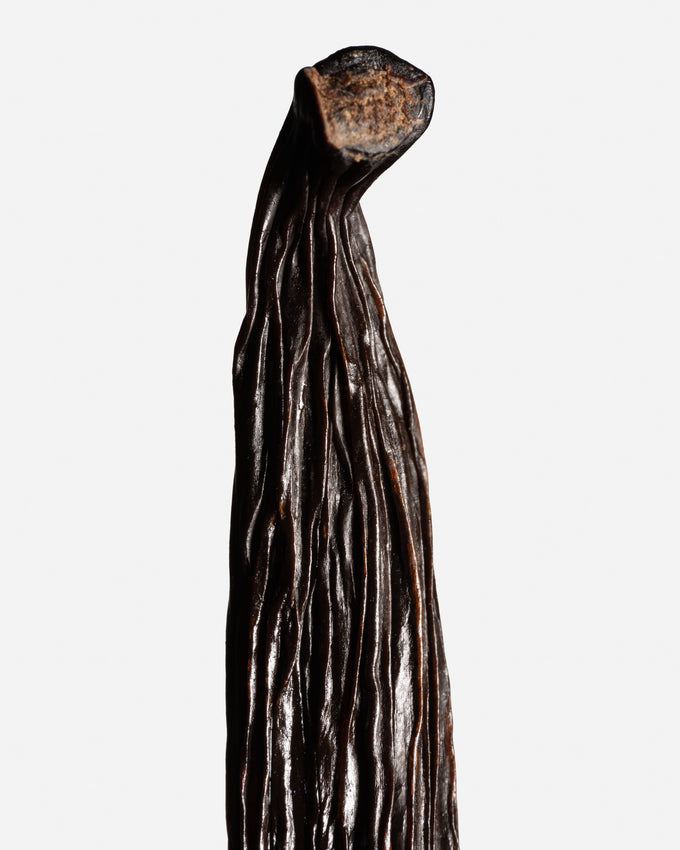
Vanilla Tahitensis from Ecuador
A soft, floral aroma evoking the tropical flowers of Ecuador. Notes of jasmine, olive oil, mirabelle plum, red berries, with a spicy gingerbread base note.


French Polynesia
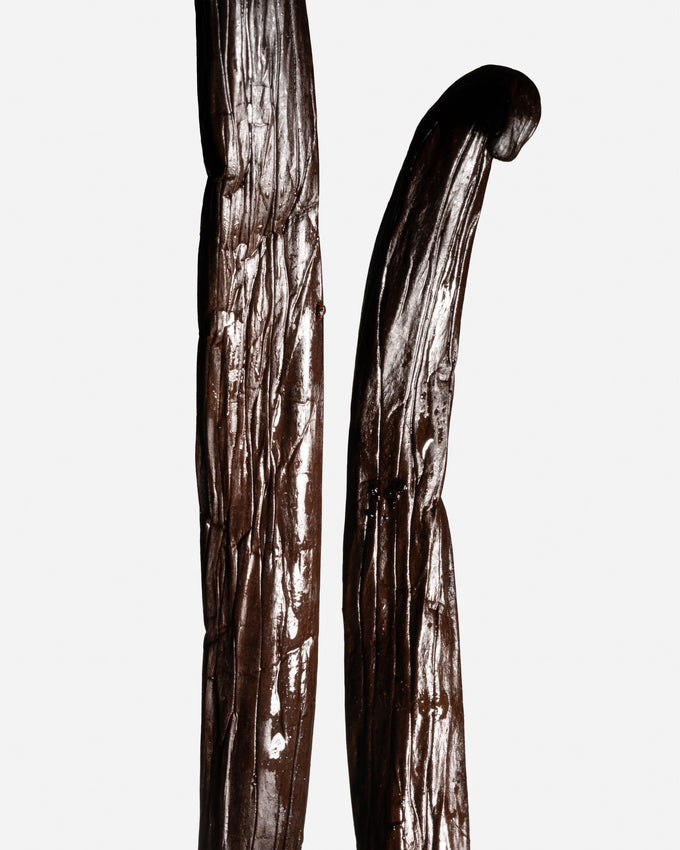
Vanilla tahitensis from Tahiti Tahaa
A floral, aniseed bouquet, notes of prune and sweet almond lifted by monoï. A supple, fragrant bean.

On orders from 45 €

Several secure payment methods

We guarantee optimal quality for every vanilla

A question?
contact@galand-vanille.com
The Galand Vanille guide
Vanilla Tahitensis
Vanilla tahitensis, or Tahitian vanilla, captivates with its delicacy. Where other vanillas impose themselves through power, it suggests: floral, aniseed and fruity scents that, depending on the terroir, evoke monoï, cherry, almond or jasmine. At Galand Vanille, each batch is selected and tasted by Paul Galand, so that we only offer you plump, supple and truly expressive beans.
Tahitian vanilla: a species in its own right
Contrary to popular belief, Tahitian vanilla is not simply a geographical origin: it is a distinct botanical species, Vanilla tahitensis, born in Polynesia. It has one decisive characteristic: its beans do not split open when ripe. While other vanillas must be picked before they split, tahitensis can stay on the vine until the end of its cycle. It is therefore harvested whole and fully ripe, full of aromas that no early harvest cuts short.
This complete ripeness largely explains its singular profile: a plump, oily, almost soft bean whose fragrance comes through as soon as the pouch is opened.
Why vanilla tahitensis is unique
Aromatically, tahitensis is naturally low in vanillin but rich in floral and aniseed compounds. This is the exact opposite of the vanillas from Vanilla planifolia, whose indulgent, cocoa-like signature relies on vanillin. Tahitian vanilla does not play the same score: it brings elegance, freshness and a floral length found nowhere else. This is why pastry chefs reserve it for preparations where it can express itself without being masked.
Our Tahitian vanilla beans
We work with four tahitensis origins, each with a strong personality:
- Vanilla tahitensis from Tahaa: the vanilla island par excellence, notes of monoï and a floral bouquet of great purity.
- Vanilla tahitensis from Raiatea: the Haapape cultivar, recognizable by its notes of bitter almond and cherry.
- Vanilla tahitensis from Papua New Guinea: the boldest, with anise, chocolate and leather.
- Vanilla tahitensis from Ecuador: the most surprising, between jasmine and gingerbread.
Comparison of the four origins
| Origin | Dominant notes | Recommended use |
|---|---|---|
| Tahaa (Polynesia) | Monoï, floral notes | Cold infusions, creams, whipped cream, dairy desserts |
| Raiatea (Polynesia) | Bitter almond, cherry | Panna cotta, red berry desserts, ice creams |
| Papua New Guinea | Anise, chocolate, leather | Ganaches, chocolate desserts, bold creations |
| Ecuador | Jasmine, gingerbread | Savory cooking, fish, sauces, spiced biscuits |
Ideal for cold infusion
The floral compounds that give Tahitian vanilla its charm are also the most volatile: high heat dissipates them. The best way to enjoy it is still a cold infusion or one at a gentle temperature. Split the bean, scrape out the caviar, then leave it to infuse for several hours in milk, cream, syrup or rum. The result has remarkable aromatic clarity: monoï, cherry or jasmine reach the palate intact, without the slightest bitterness.
Tahitian vanilla or Madagascar vanilla?
The question comes up often, and the answer is not a hierarchy: these are two different species, for two different uses. Madagascar vanilla, from Vanilla planifolia, is the indulgent vanilla par excellence: rich in vanillin, it holds up to baking and enhances warm pastries, crèmes brûlées, cakes and brioches. Tahitian vanilla, floral and delicate, shines in cold or lightly cooked preparations: infusions, whipped creams, fruit, fish. A well-thought-out vanilla drawer holds both, and you choose between them as you would choose a wine to suit the dish.
Texture, curing and storage
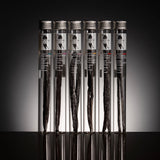
A fine tahitensis can be recognized by touch: it is plump, supple, slightly oily, never dry or brittle. Our beans are slowly cured before shipping, then packed in a zip pouch; the airtight glass tube, offered as an option in the cart, preserves their natural moisture even better. Store them at room temperature, away from light, and never put them in the refrigerator. A white frost may sometimes appear over time — this is rarer on tahitensis, which is lower in vanillin, than on a planifolia: this natural crystallization is a sign of quality, not a flaw.
Discover more
To continue exploring, browse our complete guide to storing vanilla beans: it details the right steps to keep your tahitensis supple and fragrant for months. You will also find our tips for rehydrating a forgotten bean.
Frequently asked questions
Why is Tahitian vanilla so expensive?
Because it is harvested ripe and whole, at the end of a long cycle, with low yields and demanding sorting. Add to that a very small-scale production and strong demand from pastry chefs around the world: rarity sets the price, and quality justifies it.
Tahaa or Raiatea: which one should you choose?
Choose Tahaa for its monoï and floral profile, perfect in dairy desserts and infusions. Opt for Raiatea, with its notes of bitter almond and cherry, to accompany red berries, ice creams and creams. The two complement each other more than they compete.
Can Tahitian vanilla be cooked?
A gentle infusion, yes: milk or cream heated without boiling suits it very well. However, avoid strong, prolonged cooking, which destroys its floral compounds. For a cake or a crème brûlée, turn instead to a vanilla rich in vanillin.