−15%
 −15%
 −15%


Guide
Vanilla caviar: what it is, how to extract it and how to use it

Key takeaways
- Caviar is the seeds and pulp inside the bean.
- Split the bean lengthwise, then scrape the inside with the back of the knife.
- The scraped bean still holds aromas: infuse it too.
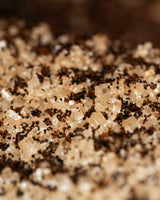
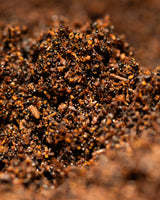
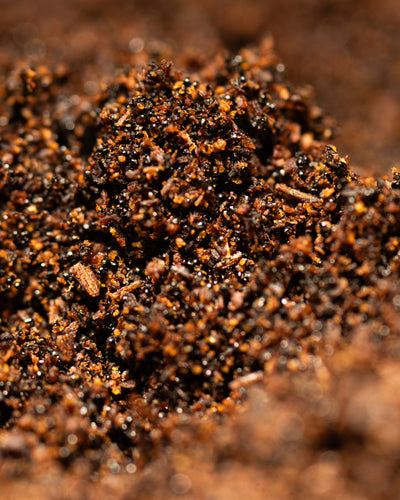
Open a freshly cured vanilla bean: inside, thousands of shiny black seeds form a dense, fragrant paste that pastry chefs call vanilla caviar. This is where much of vanilla’s aromatic pleasure lies, and yet it is the most poorly used part in home cooking.
As vanilla sourcers, we split and taste beans all year round. Here is exactly what this caviar is, how to extract it cleanly, how much to expect from one bean, and how to use it from dessert to savory dish.
Vanilla caviar: what exactly is it?
Vanilla caviar refers to the inside of the bean: thousands of tiny seeds, black and shiny, coated in an oily, sticky pulp. It is the fruit of patient work: each vanilla flower is pollinated by hand, flower by flower, and produces a single bean, which then ripens for long months on the vine before scalding and curing.
Contrary to a common belief, the seeds themselves are not very aromatic: it is the pulp surrounding them that concentrates the vanillin and the compounds that make a fine vanilla so rich. Since seeds and pulp are inseparable, the whole is called caviar.
Why is it called “caviar”?
The image comes naturally: small, glossy black grains, grouped in a dense mass, evoke sturgeon eggs. But the analogy goes further: like caviar, these grains are the rare product of long expertise, and they are savored sparingly. Caviar is quite simply the noblest part of one of the most precious spices in the world.
How to scrape a vanilla bean: the step-by-step method
Extracting the caviar takes only a few seconds and a paring knife. Done well, the technique recovers all of the pulp without leaving any on the board.
Step 1: soften the bean
Lay the bean flat and roll it gently under your fingers. This relaxes it, slightly loosens the caviar from the walls and makes cutting easier. A gourmet bean is naturally supple and oily; if yours snaps cleanly, it is too dry to be scraped and will be better used for infusing.
Step 2: split it lengthwise
Hold the bean flat by one end. With the tip of the knife, cut along its entire length, pressing just enough to go through the first wall without cutting it in two. Then open the two halves like a book: the caviar appears, black and shiny.
Step 3: scrape with the back of the knife
This is the key gesture, and the one most often done wrong. Turn your knife over and scrape with the back of the blade, never with the cutting edge. Tilt the blade slightly and scrape each half-bean from top to bottom, in one or two firm passes. The back of the blade follows the wall and gathers all the pulp; the cutting edge nicks the bean and pulls away woody fibers, unpleasant to bite into.
Step 4: use the caviar right away
Once exposed to the air, the caviar oxidizes and dries quickly. Incorporate it immediately into your preparation, or loosen it in a spoonful of sugar, cream or alcohol if you need to wait. And above all, keep the scraped bean: we come back to this below.
How much caviar does one bean give?
A gourmet bean weighs about 4 to 6 grams. As a general rule, the caviar represents only a fraction of that: count on the equivalent of half a level teaspoon per supple bean, enough to generously flavor half a liter of cream. The yield depends above all on the grade: a gourmet bean, known as black, supple and plump, yields abundant caviar, while a red bean, drier and intended for extraction, offers almost nothing to the knife.
Size also plays a part: in an extraordinary species like chamissonis from Brazil, whose beans weigh 17 to 35 grams, a single bean provides as much caviar as several classic beans.
Which beans to choose for maximum caviar?
Two criteria count: suppleness and flesh. Always favor gourmet beans, the ones that can be wrapped around a finger without breaking. And if caviar is your main goal, turn to plump species: pompona vanillas, wide and pulpy, are renowned among pastry chefs precisely for their generous heart.
| Bean | Character of the caviar | Ideal for |
|---|---|---|
| Bourbon from Madagascar | Indulgent, buttery, notes of chocolate, caramel and plum | Creams, cakes, everyday pastry |
| Tahitensis from Tahaa | Tropical flowers, anise, chocolatey and spicy base | Fruit desserts, panna cotta, fish |
| Pompona from Peru | Tobacco, tonka, leather, red fruits | Ganaches, chocolate, savory dishes with character |
| Chamissonis from Brazil | Fresh almonds, clove, black cherry | Special occasions, exceptional desserts |
All these vanillas are selected and tasted batch by batch, from a catalog of 19 origins and 8 botanical species.
What to do with the scraped bean? Whatever you do, don’t throw it away
The bean emptied of its caviar remains very fragrant: its walls are full of aromas that scraping has not touched. Three simple uses:
- Homemade vanilla sugar: bury the scraped bean, well dried, in a jar of sugar. In a few weeks, you will have real vanilla sugar, with no artificial flavoring, to be topped up as you use your beans.
- Infusions: steep the scraped bean in hot milk, cream, syrup or tea. Let it infuse, covered, off the heat; it can even be reused two or three times if you rinse and dry it between each use.
- Homemade extract: collect your scraped beans in a bottle of rum or vodka. After several months of maceration, you will have a natural extract for your pastries.
How to use vanilla caviar in cooking
Caviar is at its best when vanilla is the star and its black specks visually signal quality:
- Crème anglaise and crèmes brûlées: caviar and split bean infused together in hot milk, for a double extraction.
- Ice creams and panna cotta: the caviar stays in suspension and flavors every spoonful.
- Ganaches and Chantilly cream: incorporated directly, it brings an intensity that extract alone cannot reach.
- Savory dishes: a touch of caviar in a beurre blanc for scallops, in a creamy poultry dish or with glazed carrots transforms the dish. Atypical profiles, such as pompona with its notes of tobacco and leather, work wonders here.
To go further on pairings, see our guide which vanilla for which recipe.
How to store caviar and beans
Extracted caviar keeps poorly in the open air: use it within the day, or protect it by mixing it with sugar, honey or a neutral spirit in a small airtight container. Whole beans, on the other hand, keep for several months at room temperature, in a glass tube or an airtight jar, away from light — never in the refrigerator, which dries them out and encourages mold. All the good practices are detailed in our guide to storing vanilla beans.
Common mistakes to avoid
- Scraping with the cutting edge of the knife: you nick the bean and collect bitter fibers along with the caviar.
- Throwing away the scraped bean: that means missing out on vanilla sugar, infusions and extract.
- Boiling the caviar for a long time: the finest aromas are volatile; add the caviar at the end of cooking or in a gentle infusion.
- Buying dry, brittle beans: they have almost no usable caviar left. A gourmet bean should be supple, oily and glossy.
- Confusing black specks with aromatic quality: some industrial products add exhausted seeds to synthetic flavorings. Only a real bean guarantees that the seeds and the flavor go together.
Frequently asked questions
Can vanilla caviar be replaced with extract?
For flavoring, yes, with a good-quality natural extract. But extract restores neither the texture nor the complexity of the fresh pulp, and it does not leave those characteristic black specks. Where you are not infusing (shortcrust pastry, loaf cake, ganache), vanilla powder, made from whole ground beans, keeps those fine black specks visible. For a crème anglaise or a festive ice cream, the scraped bean remains unmatched.
Are black specks in a dessert a guarantee of quality?
They are a good clue, not proof: exhausted seeds can be added to artificially flavored preparations. The real guarantee of quality is the bean itself — its origin, its grade and its curing. Direct from the growers, a gourmet Bourbon bean from Madagascar costs 4,50 € individually, less in larger quantities: scraping your own vanilla is more affordable than you might think.
How many beans do you need for a crème anglaise?
Most often, one supple gourmet bean is enough for half a liter of milk or cream, infusing the caviar and the split bean together. For a more intense flavor, use two, or choose a particularly plump bean from among our exceptional vanillas.